

Inclusion in Mosaic Schools Learning Trust
Our vision and values – Where every teacher is a teacher of SEND and every leader is a leader of SEND.
Introduction:
In every classroom, there are pupils with unique needs, abilities, and challenges. As educators, it is important for us to create an environment where all students feel valued and supported and provide our learners with a curriculum in which they can thrive. This is especially true for students with Special Educational Needs and Disabilities (SEND). This blog will explore our visions, core offer and values we hold to support our learners in every school.
Understanding SEND:
SEND is an umbrella term that refers to learners who have specific learning difficulties or disabilities that may affect their ability to access the curriculum in the same way as their peers, they do not need to have a diagnosis to receive this support. These needs can range from mild to severe and may include:
- Communication and interaction
- Social emotional and mental health
- Cognition and learning
- Sensory and physical difficulties
We pride ourselves that we work to our children’s strengths and individual needs to support learning for each child. As educators, we know all pupils, including our learners with SEND can excel academically, socially, and emotionally when provided with the right support.
Our Core Offer
Our ‘Built in and not a bolt on approach’ to inclusivity is the foundation of our core offer for pupils with SEND.
Creating a school, Trust and classroom culture and suitable environment where all students feel respected and included can significantly impact their academic and personal development. Here are a few key strategies which you will find within our schools:
- Adaptive teaching: some adaptation to lessons to meet the needs of individual learners is crucial. This might involve simplifying instructions, providing visual aids, offering extra time for tasks, or using alternative methods to assess and record learning.
- Clear Communication: Clear and consistent communication helps students with SEND understand expectations. This can involve using visual schedules, breaking down tasks into smaller steps, and providing instructions both verbally and in writing.
- Valuing each child and understanding individual needs: we continue to meet our pupils needs to our best endeavours. All staff within our schools strive to know each child individually and tailor personalised and appropriate support for them.
- Promoting independence: our core offer is carefully designed to allow all children to have ownership over their learning and feel a sense of personal achievement when they are completing their learning independently.
- CPD for our staff: This current academic year we are exploring our Ordinarily Available Provision, Adverse Childhood Experiences (ACEs) knowledge, sensory understanding and the use of visuals alongside much bespoke training from within and outside the Trust.
What are Mosaic Schools Learning Trust's next steps?
Use of Assistive Technology: Technology can be a game-changer for SEND students. We are piloting assistive technology to support all our pupils to access and thrive within our curriculum (for more information please read our CEOs blog about assistive technology). We hope if your children are accessing this they are coming home and telling you all about it.
Working with our communities: we are working on rolling out our good practice into our communities, including local schools and preschools and indeed learning from them in return.
Developing specialists within our Trust: we are rapidly growing our list of specialist staff through our Continuing Professional Development (CPD) offer and identifying those with specialist skills.
Communication: we will continue to review our communication with our parent and carer community, with regard to the support their child is receiving, give our parents and pupils a voice and act on any areas highlighted through this. Your feedback is always welcome on how we can improve this.
Conclusion:
Supporting students with SEND is not just about providing accommodations; it’s about recognising their unique potential and ensuring they have every opportunity to succeed. By fostering an inclusive, supportive environment, we can help all students thrive, regardless of their abilities or challenges.
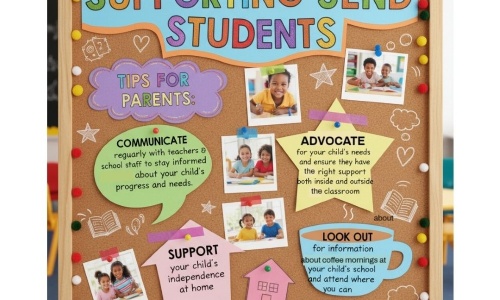
 Supporting SEND Students:
Tips for Parents:
-
- Communicate regularly with teachers and school staff to stay informed about your child's progress and needs.
- Support your child’s independence at home.
- Look out for information coffee mornings in your child’s school and attend where you can.
Useful Resources:
Local SEND Support Services: Many local authorities offer SEND support services for students, parents, and schools. Please click on the links for your local area:
- Kent https://www.kent.gov.uk/educationand-children/special-educational-needs-and-disabilities/about-the-send-local-offer
- Bromley https://www.bromley.gov.uk/LocalOffer
- Croydon https://localoffer.croydon.gov.uk/kb5/croydon/directory/home.page